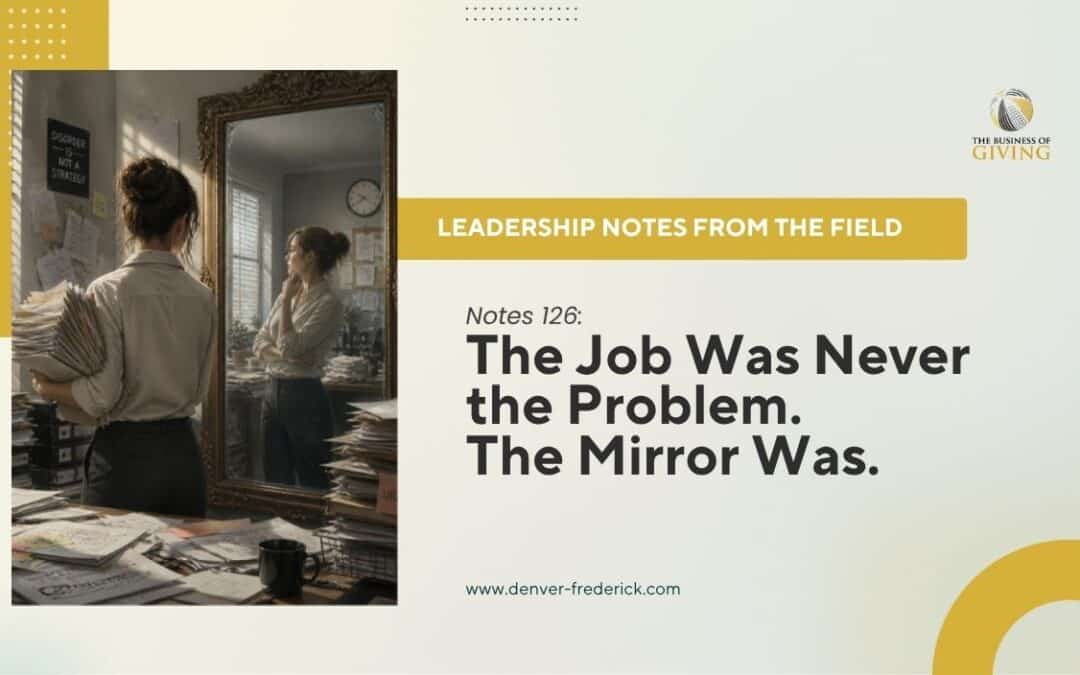
Notes #126: The Job Was Never the Problem. The Mirror Was.
Have you seen this play out, someone who had the skill but couldn’t picture themselves in the role until they saw someone like them do it first? I’d like to hear the story.

Have you seen this play out, someone who had the skill but couldn’t picture themselves in the role until they saw someone like them do it first? I’d like to hear the story.
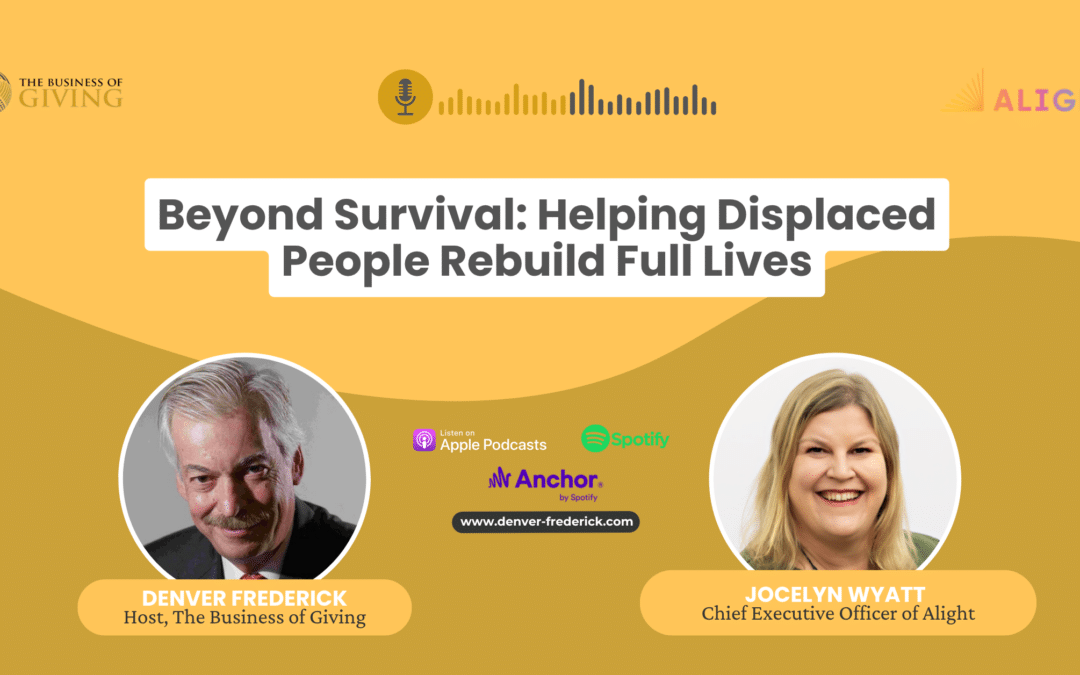
Every night the news shows us floods, fires, and wars that force people from their homes. Then the story moves on. But for the people who have been displaced, that is when another story begins: Where do they go, and how do they rebuild their lives?
For nearly 50 years, Alight has been working on that question. And its CEO, Jocelyn Wyatt, believes the humanitarian system too often succeeds at keeping people alive without creating a path for them to move forward.
Jocelyn came to humanitarian work through design rather than the traditional aid world, and that perspective has shaped how she leads. The people Alight serves aren’t beneficiaries waiting for help. They’re customers with skills, ambitions, families, and futures of their own.
We talk about what happens after the emergency, why humanitarian aid can measure the wrong things, and what it really means to give power to the people closest to the problem.
It’s Jocelyn Wyatt, CEO of Alight, on The Business of Giving.
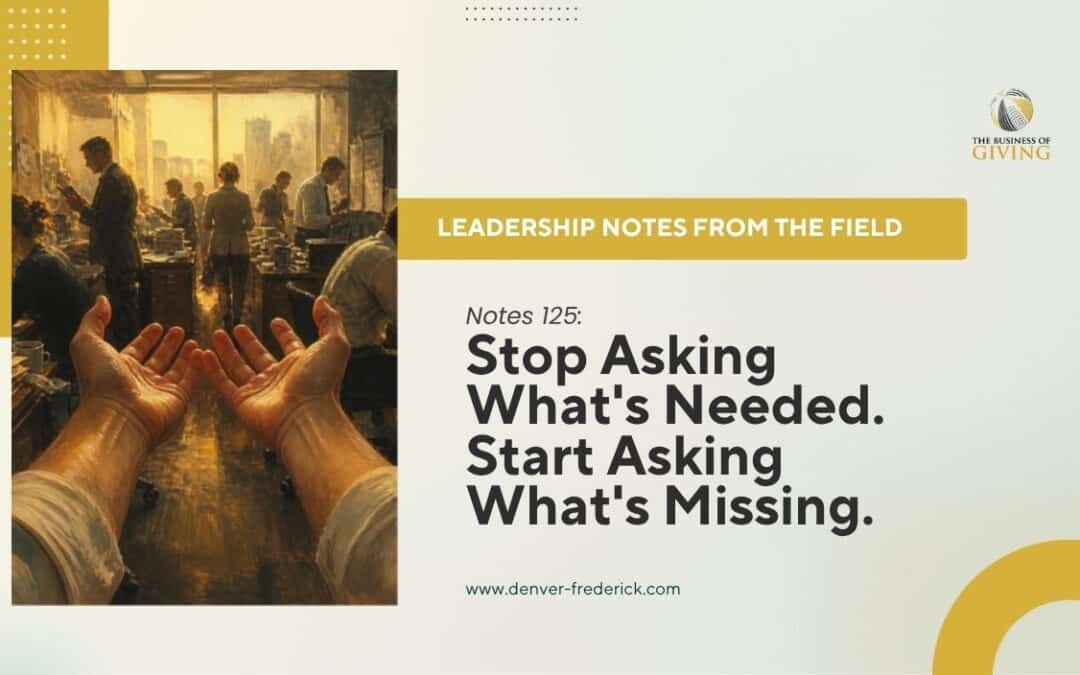
Think of a place you fund or work with. What’s the one specific piece missing that would let something already working, work all the way? Tell me what you found.
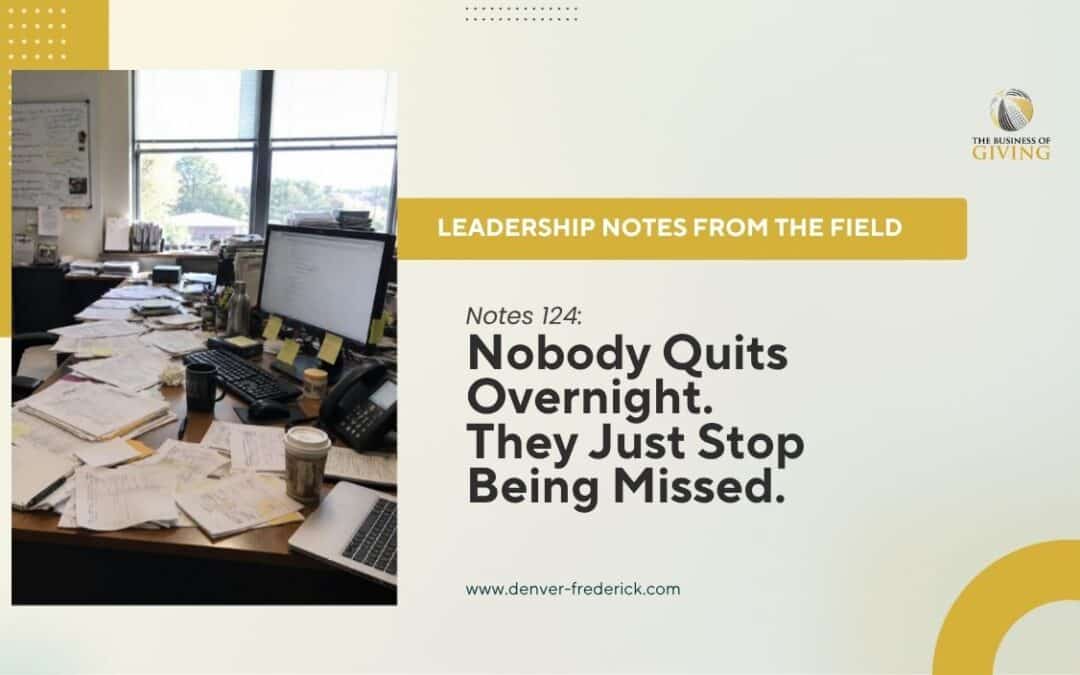
How long would it take someone at your organization to notice if a specific person quietly disappeared? I’d be curious what you find when you actually check.

What’s the ongoing work in your organization that never gets funded because it doesn’t have a finish line? Tell me about it.