Notes #118: Don’t Take the Tangible Gain
The best leaders understand that not every advantage should be taken. Sometimes walking away from the tangible gain is how you acquire the more valuable asset.

The best leaders understand that not every advantage should be taken. Sometimes walking away from the tangible gain is how you acquire the more valuable asset.
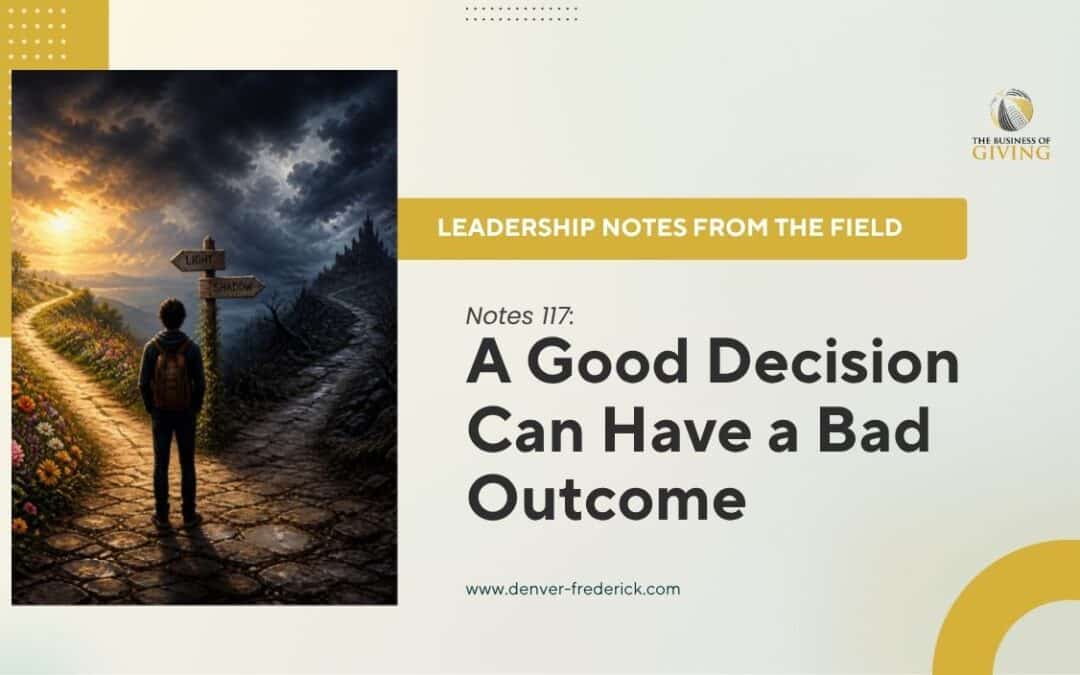
If we did the work well and events still turned against us, that isn’t necessarily failure. If we skipped the work and got lucky, that isn’t necessarily success. Organizations become much smarter when they stop conducting autopsies solely on outcomes and start examining the quality of the thinking that produced them. Don’t just ask, “How did it turn out?” Ask, “Given what we knew then, was it a good decision?”
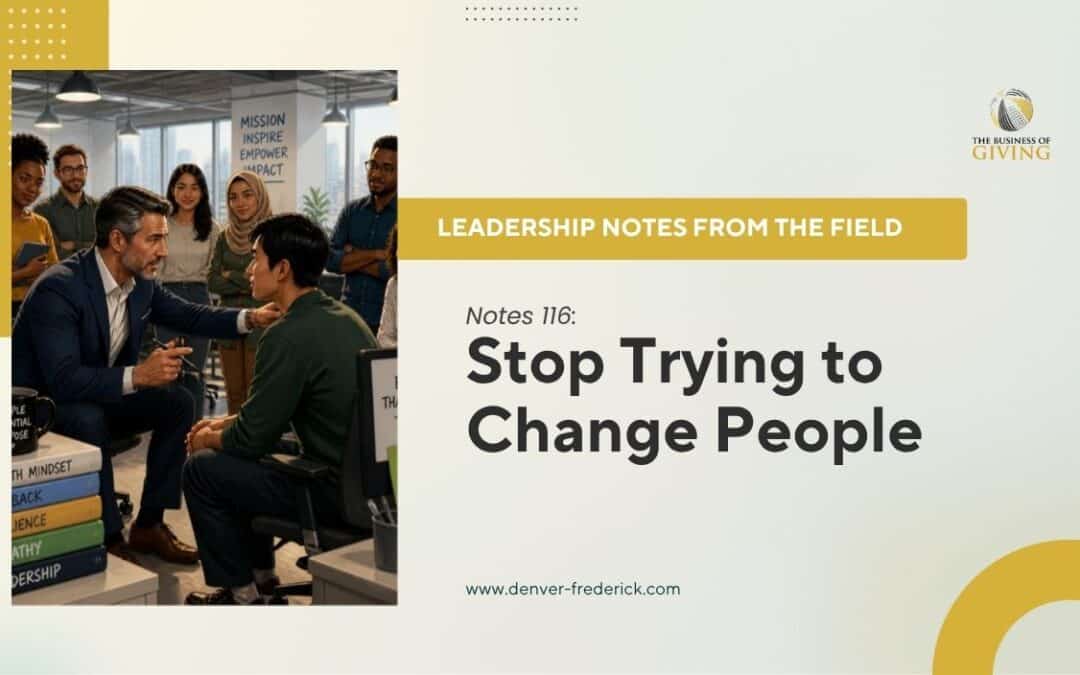
If people continue doing roughly what they are doing now, could we redesign the product, process, incentive or environment so that the same behavior produces a better result? Leadership often begins by accepting human behavior as it is rather than endlessly waiting for it to become what we wish it were.
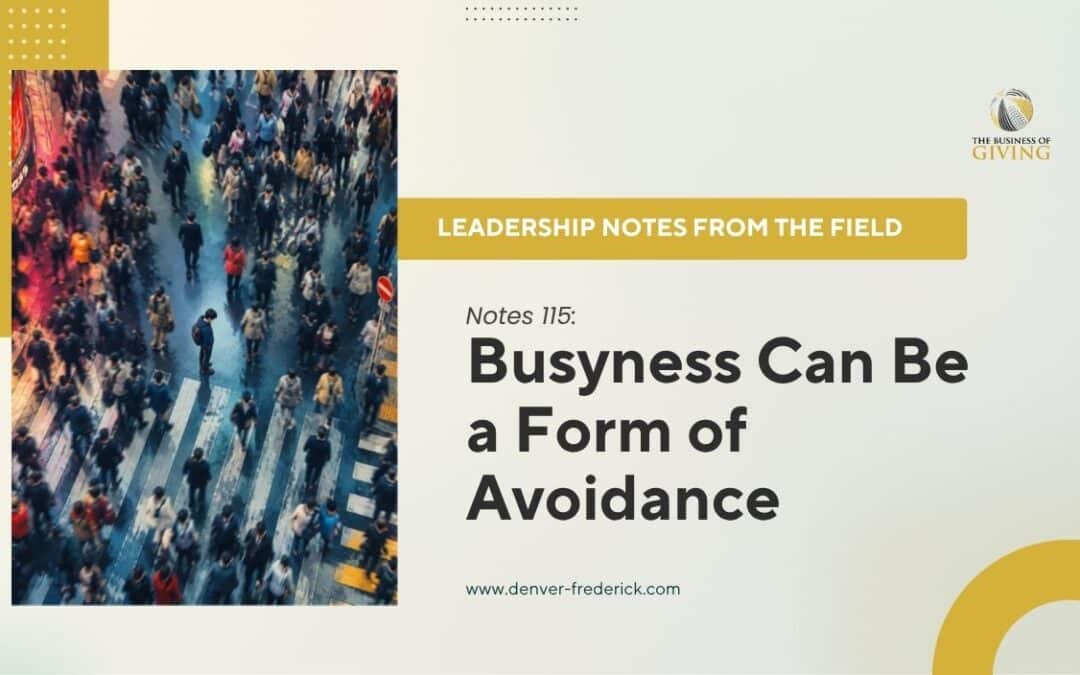
Do fewer things. Give the consequential ones more attention. Protect enough unscheduled space to reconsider assumptions, notice what others are missing and think beyond the immediate problem. That sounds almost irresponsible in a culture that rewards visible activity. But there is a difference between a leader who is fully occupied and one who is fully engaged. What on your calendar is consuming time that your most important problem actually needs?

Recognition frequently arrives late because we judge tomorrow’s possibilities by today’s performance. The leader’s job is not merely to recognize what already works. It is to distinguish between something that is weak because the idea is poor and something that is weak because the future has not finished arriving yet.

Before rejecting a new approach because of what it might cannibalize, leaders should ask a different question: What value could it create where today there is none? Sometimes the greatest opportunity isn’t hiding inside the business you already have. It’s hiding inside the zero.