

As someone deeply invested in the intersection of philanthropy and social issues, I recently had the pleasure of speaking with Alyson Niemann, CEO of Mindful Philanthropy. Our conversation shed light on the critical need for increased funding in mental health initiatives and how philanthropy can play a transformative role.
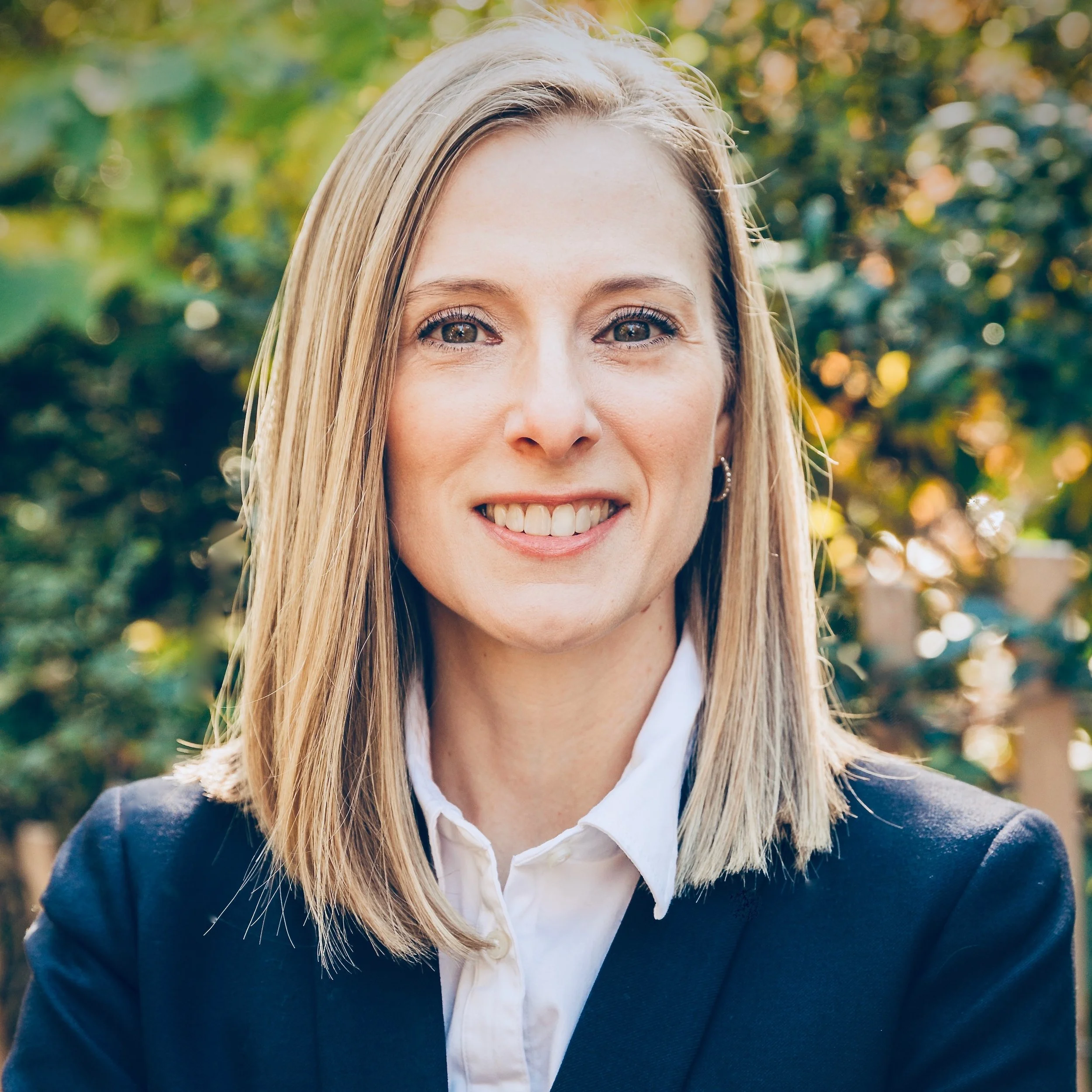
Alyson Niemann, CEO of Mindful Philanthropy
Mental Health: Central to All Social Issues
When I asked Alyson about the immediate steps philanthropy should take to address the mental health crisis, her response was both passionate and illuminating.
“We think mental health is at the center of all things and all social issue areas,” she said. “Whether you’re thinking about the criminal justice system, or whether you’re thinking about education, or youth, mental health plays an incredibly important role.”
This perspective resonated with me. The parallels between mental health and issues like climate change are striking—both once considered niche, now recognized as universally impactful. It’s clear that to make meaningful progress in any social sector, mental health must be a core consideration.
The Stark Reality of Mental Health Funding
Alyson shared some eye-opening statistics about the current state of mental health funding. Despite over 90% of Americans acknowledging a mental health crisis, only about 1.7% of philanthropic funding is directed toward it.
“There’s a lot of work to do, and we really believe that there’s a huge opportunity here to pay attention to something that all Americans… agree is an issue facing our society right now,” she emphasized.
This funding gap is alarming. It underscores the urgency for philanthropists to reassess their giving priorities and recognize the profound impact that mental health initiatives can have across all facets of society.
An Audacious Goal: $35 Billion by 2035
Mindful Philanthropy isn’t just pointing out the problem; they’re proposing a bold solution. Alyson outlined their ambitious goal to increase annual mental health investment to $35 billion by 2035.
“Our goal was and is that by 2035, we would see investment increase to $35 billion… to mental health, addiction, and wellbeing,” she explained. “It’s just taking what the current giving levels are and increasing them by five-, six-, sevenfold in order to get to that number.”
This target isn’t just about increasing the quantity of funding but also enhancing its quality. Alyson stressed the importance of strategic investments that unlock public dollars and catalyze systemic change in mental health care delivery.
Building a Community of Philanthropic Leaders
One of the most inspiring parts of our conversation was learning about Mindful Philanthropy’s efforts to foster collaboration among philanthropists. “We have been on a mission for the last few years to really form a community of philanthropists that are doing this work together,” Alyson shared. “We really can’t do this in silos.”
She highlighted the deeply personal nature of mental health philanthropy, noting that many are driven by personal experiences. This shared passion makes the creation of a supportive community not just beneficial but essential.
Success Stories That Inspire
Alyson recounted several success stories that demonstrate the tangible impact of Mindful Philanthropy’s work. In Montana, they helped launch a policy working group with a modest investment of about $70,000, which resulted in a $300 million public trust for mental health initiatives.
“Talk about return on investment, that was a win, and it really was not a lot of time or investment of dollars,” she noted.
These stories serve as powerful examples of how strategic philanthropic investments can yield significant returns, both financially and in terms of societal impact.
Overcoming Challenges and Embracing Innovation
We also delved into the challenges of data sharing and measurement in mental health initiatives. Alyson highlighted the need for funders to support nonprofits in these areas.
“As funders, we have to really think about: how do we partner with them? How do we help them and give resources to the issue?” she urged.
Moreover, she spoke about innovative approaches to mental health care, such as peer-topeer support and utilizing unconventional settings like libraries and barbershops to reach those in need.
A Call to Action: Taking Risks for Greater Impact
As our conversation drew to a close, I asked Alyson what advice she would give to philanthropists interested in supporting mental health initiatives.
“Take risks,” she said emphatically. “Invest in the people that are proximate to the issues. Give them the resources they need, even if it feels like a risky investment, and then help them get better.”
Her words are a powerful reminder that meaningful change often requires stepping outside of comfort zones and embracing innovative, sometimes unproven, solutions.
Conclusion
My discussion with Alyson Niemann left me both informed and inspired. The work Mindful Philanthropy is doing to bridge the mental health funding gap is not just commendable—it’s essential. By recognizing mental health as central to all social issues and encouraging collaborative, strategic investments, they’re paving the way for transformative change. For those interested in learning more or getting involved, Alyson invites you to visit their website at mindfulphilanthropy.org.
To listen to the full interview or read the transcript, just click here.
Denver Frederick, Host of The Business of Giving serves as a Trusted Advisor and Executive Coach to Nonprofit Leaders. His Book, The Business of Giving: New Best Practices for Nonprofit and Philanthropic Leaders in an Uncertain World, is available now on Amazon and Barnes & Noble.