

BLOG
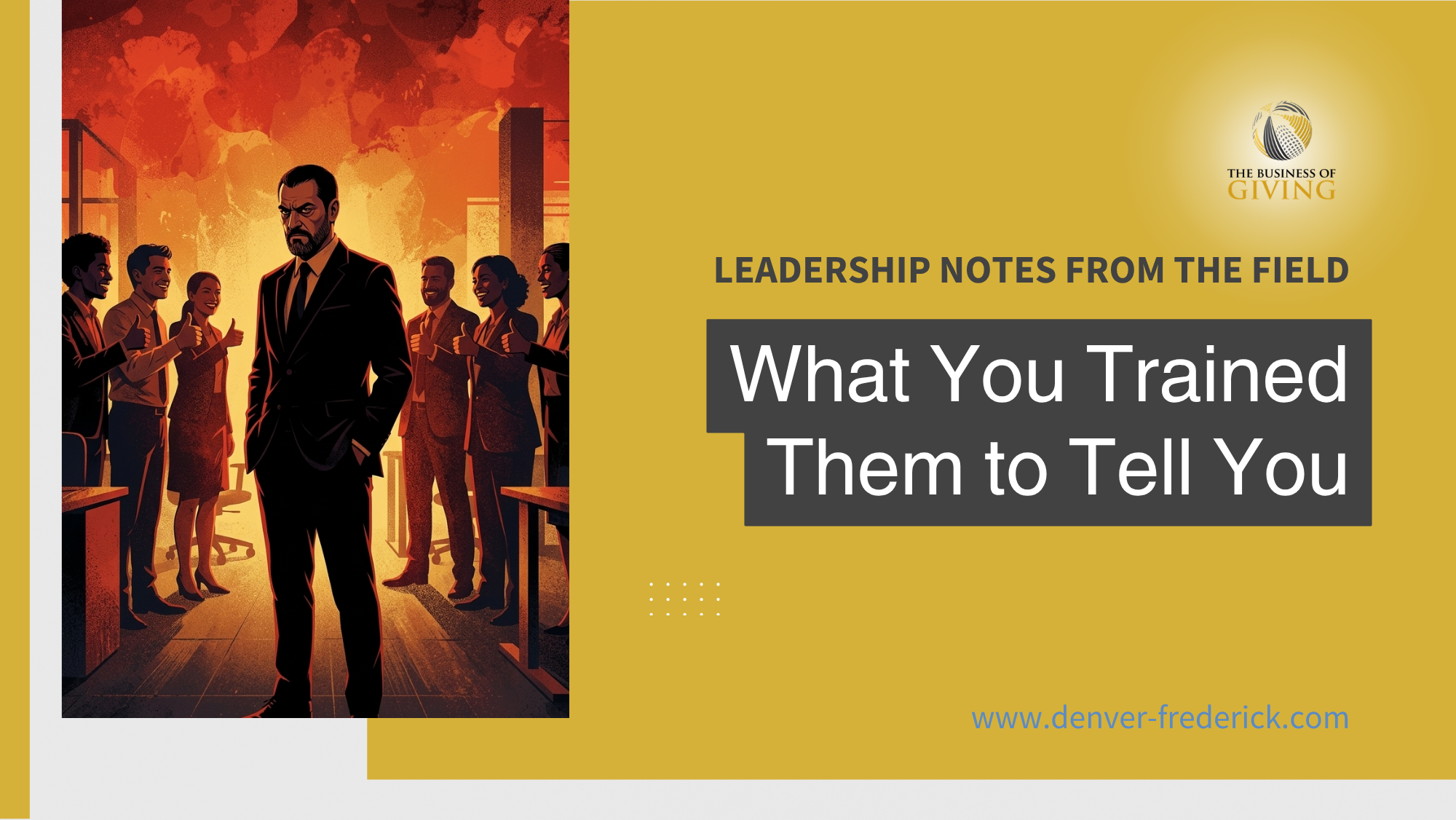
Note #38: What You Trained Them to Tell You
The most dangerous moment in leadership is not when people lie to you.
It is when they have learned, through small signals over time, that a softer version of the truth makes the room calmer.
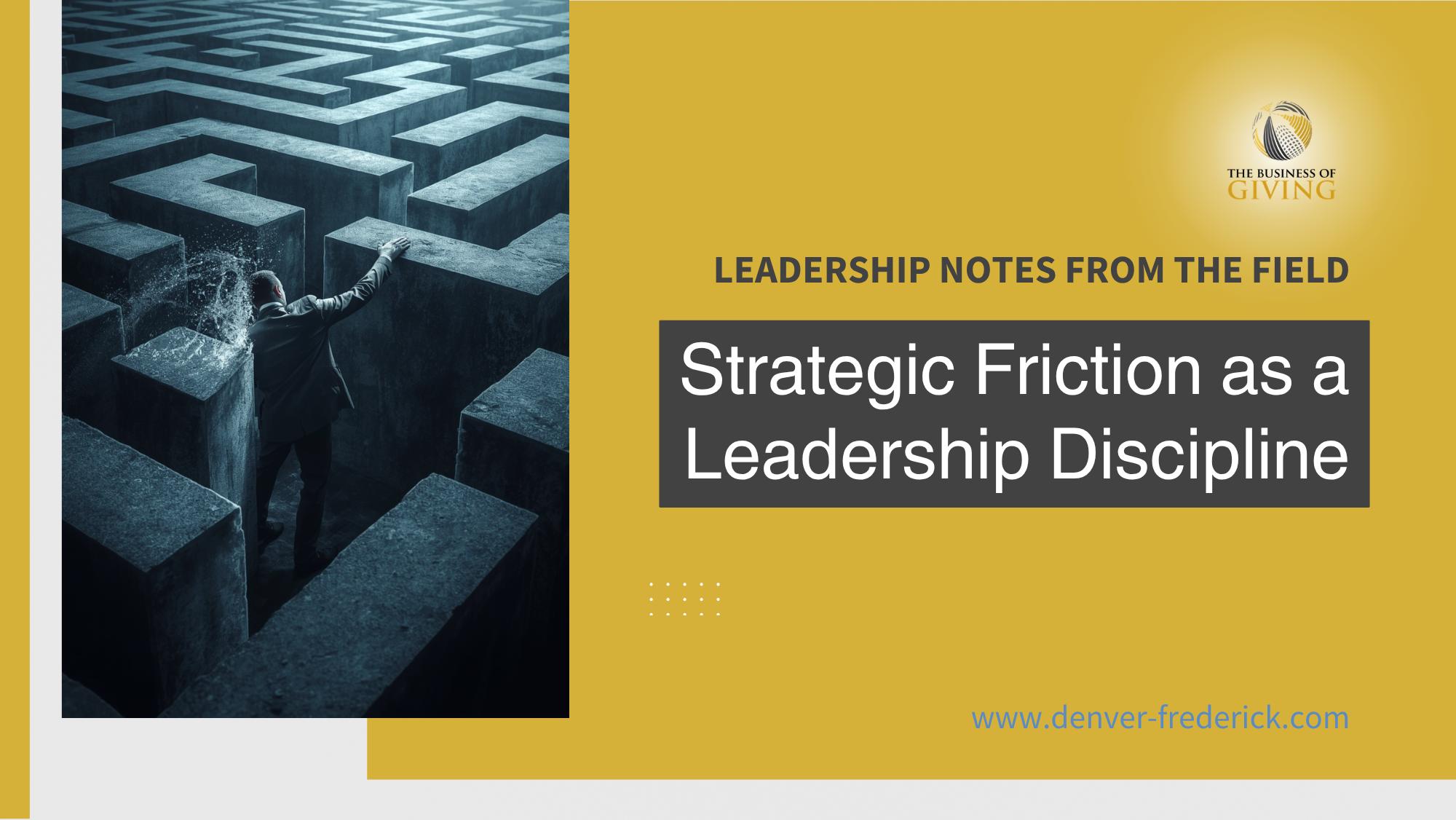
Note #37: Strategic Friction as a Leadership Discipline
One of the most revealing leadership lines I’ve read in a long time came from Robert Caro, now 90, still writing the final volume of his Lyndon Johnson biography.
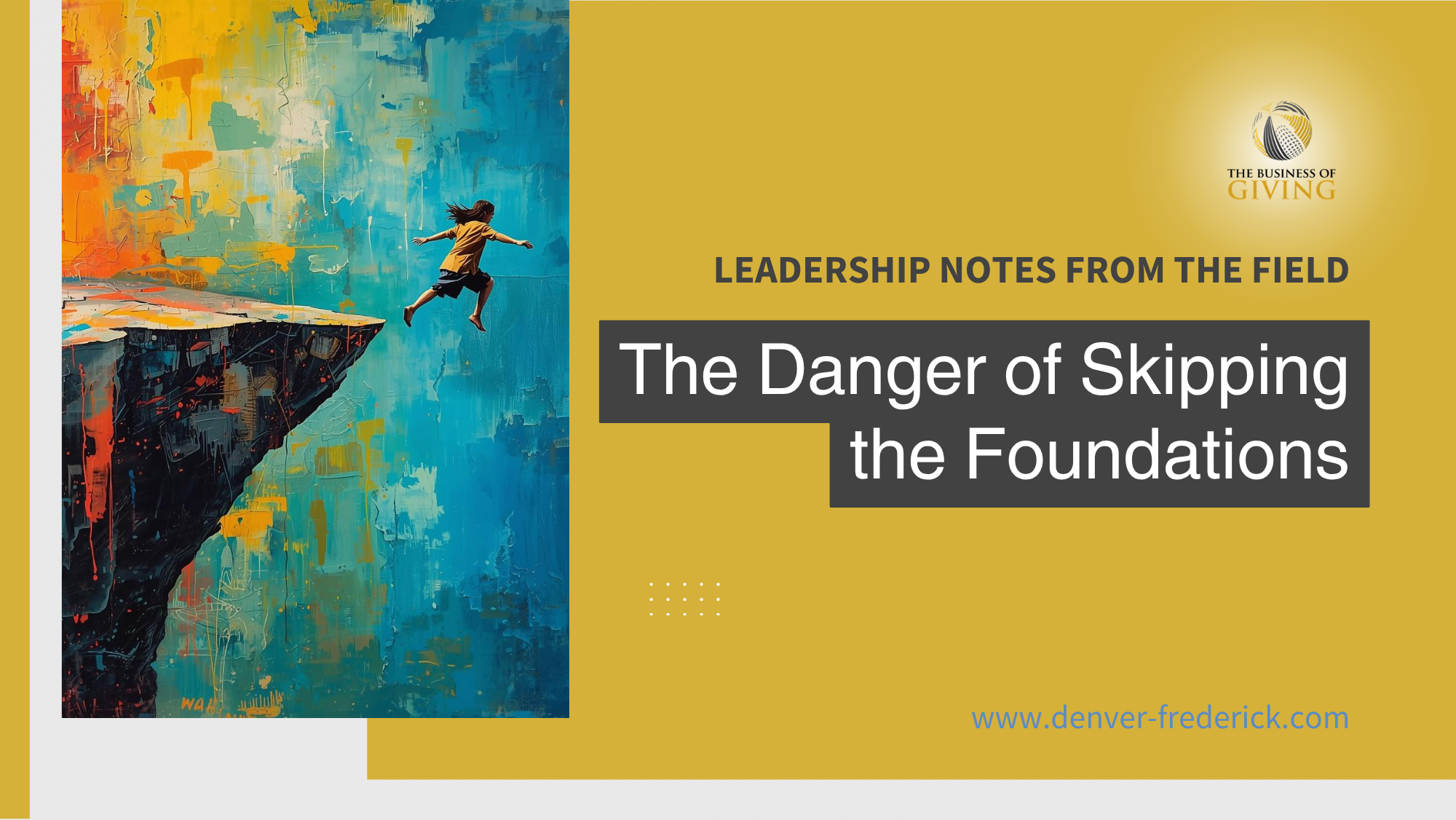
Note #36: The Danger of Skipping the Foundations
Last month I watched a nonprofit communications director deliver a technically perfect donor pitch. She hit every talking point. Her slides were polished. Her data was current. The donor asked one question she had not rehearsed, and the entire resentation fell apart. She had been trained on the what. Nobody had ever taught her the why.
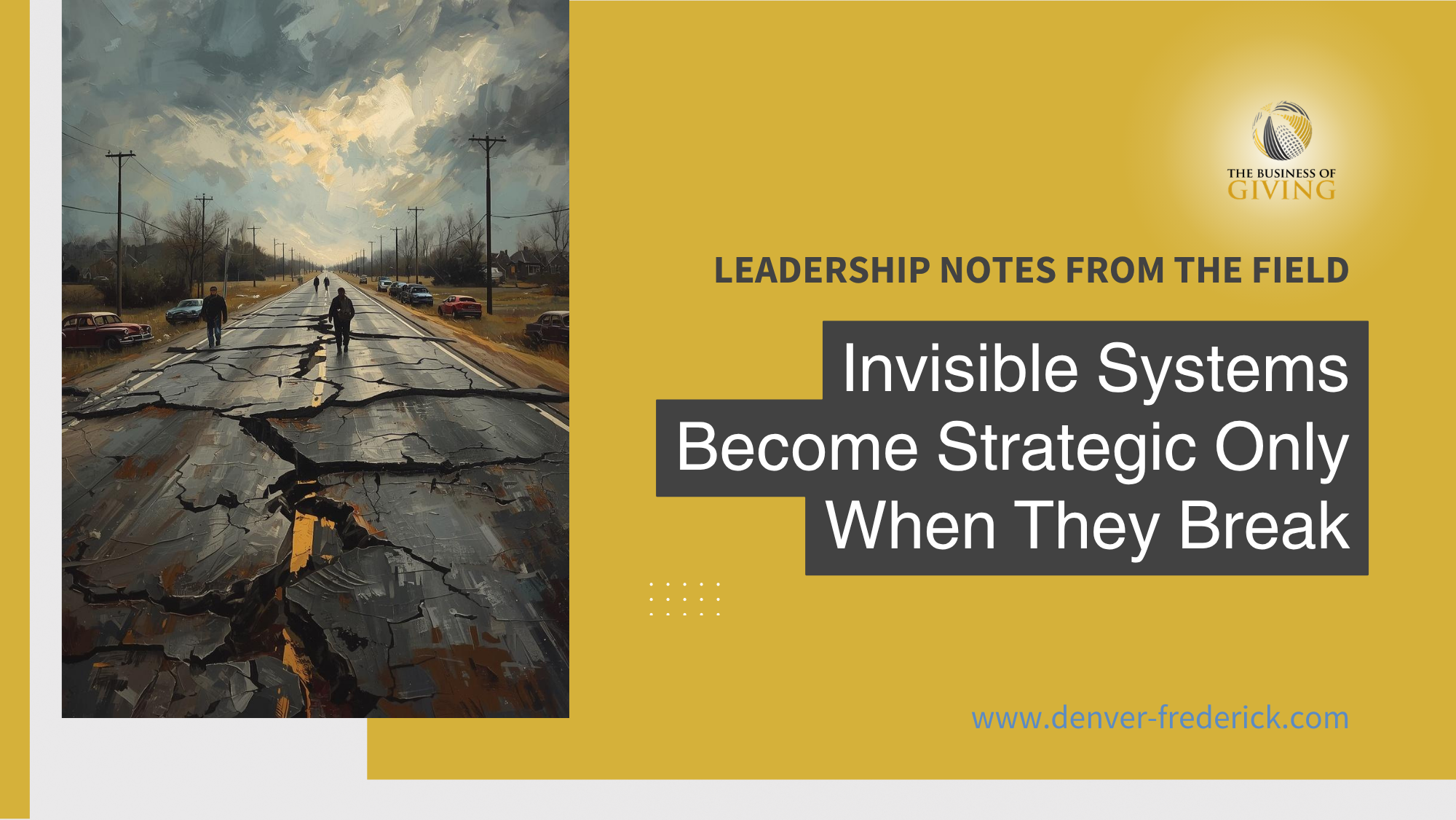
Note #35: Invisible Systems Become Strategic Only When They Break
A missile hit a desalination plant in the Gulf. Within hours, the conversation changed. Not about military strategy. Not about geopolitics. About drinking water. Millions of people in the Gulf depend on desalinated water. It is not a backup system. It is the system. Without it, cities do not function.
Note #34: Some Leaders Talk Endlessly About Their Ideas. Others Simply Build Them.
Paul Thomas Anderson is one of the most respected filmmakers of his generation. In a recent New Yorker profile, critic David Denby traces how Anderson commands every inch of the medium: sound, camera movement, atmosphere, pacing. His films do not explain loneliness or disconnection. They make you feel it in your chest.
Note #33: The Illusion of Strength
In early 2026, the fastest-growing part of the U.S. economy wasn’t housing, manufacturing, or services. It was AI. Hundreds of billions of dollars poured into data centers, chips, and infrastructure. So much so that a significant share of economic growth traced back to a single idea: build faster, build bigger, build now.