

BLOG

Note #60: Your Organization Sounds Like Nobody Works There
I read four nonprofit annual reports last week. Two donor appeal letters. A CEO transition announcement. A foundation’s strategic framework. I could not tell you which organization wrote which document. Not because they were bad. Because they were indistinguishable. Polished, frictionless, carefully emptied of anything that might make a reader uncomfortable, surprised, or moved.

Note #59: Stranded Wealth
Most nonprofits are not under-resourced. They are unreachable from themselves. The sentence that rewired my thinking came from the African Development Bank meetings. Africa, the discussion noted, is not poor in capital. Pension funds, sovereign wealth, insurers, private institutions, all sitting on the balance sheet of a continent the world describes as scarce. The wealth exists. It is simply unreachable from itself.

Note #58: The Shock Absorber Economy
“I will continue with this work despite not being paid because I am now accustomed to it, and people rely on me.” A community health worker in Zimbabwe said that months after funding cuts erased her paycheck. That sentence is not an outlier. It is the unspoken operating model of the social sector.

Note #57: Borrowed Credibility Eventually Stops Working
Most new organizations begin by borrowing legitimacy. They borrow language, frameworks, credentials, advisors, partnerships, brand associations, and proven models.
That is not weakness. It is survival. In the early stages, borrowed credibility helps institutions gain trust before they have fully earned it themselves.
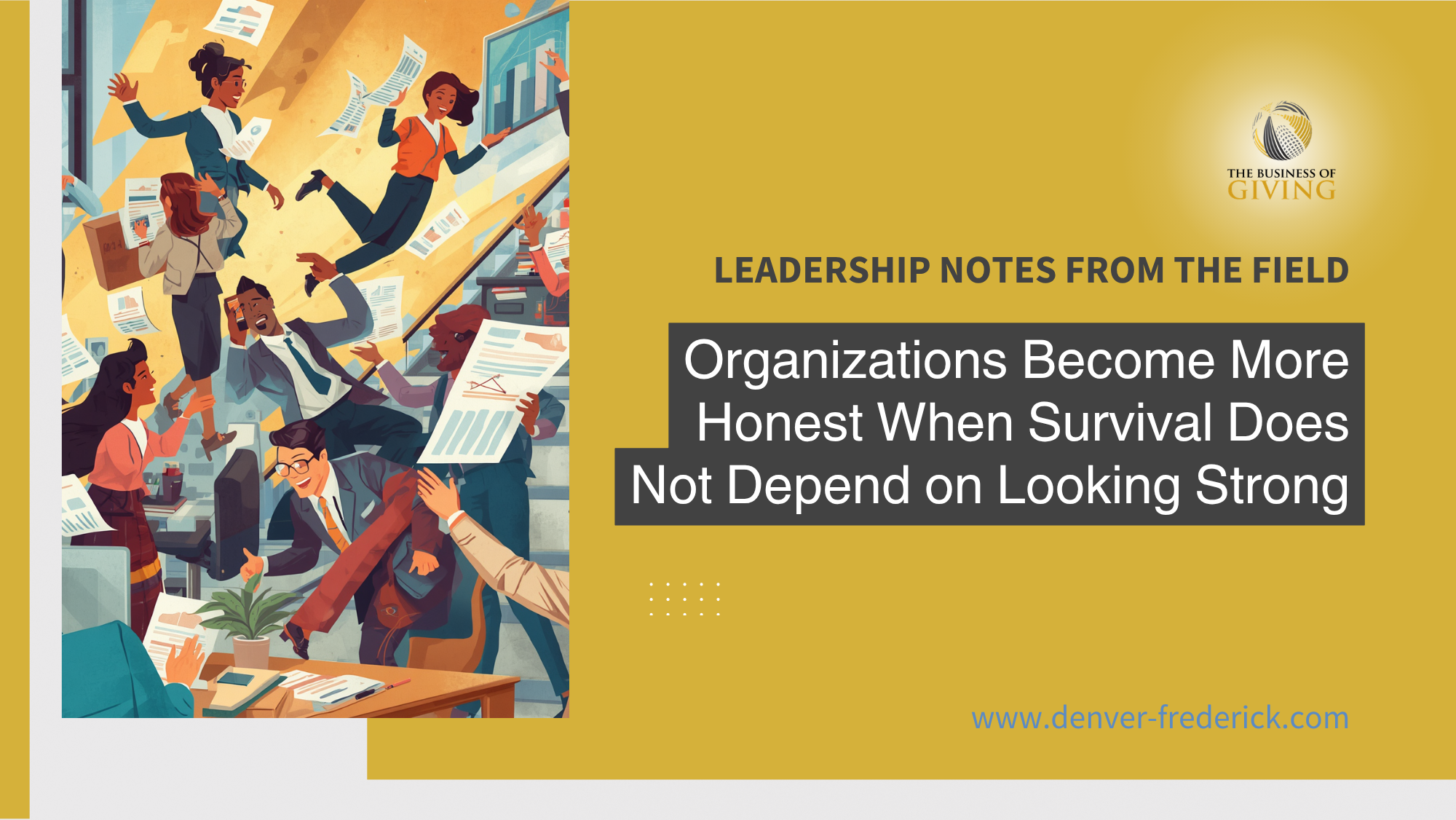
Note #56: Organizations Become More Honest When Survival Does Not Depend on Looking Strong
A nonprofit CEO recently told me something I have been thinking about ever since. She said the hardest part of her job is not the work itself. It is performing stability while privately managing crisis.
That sentence captures something the entire sector struggles with but rarely says out loud.
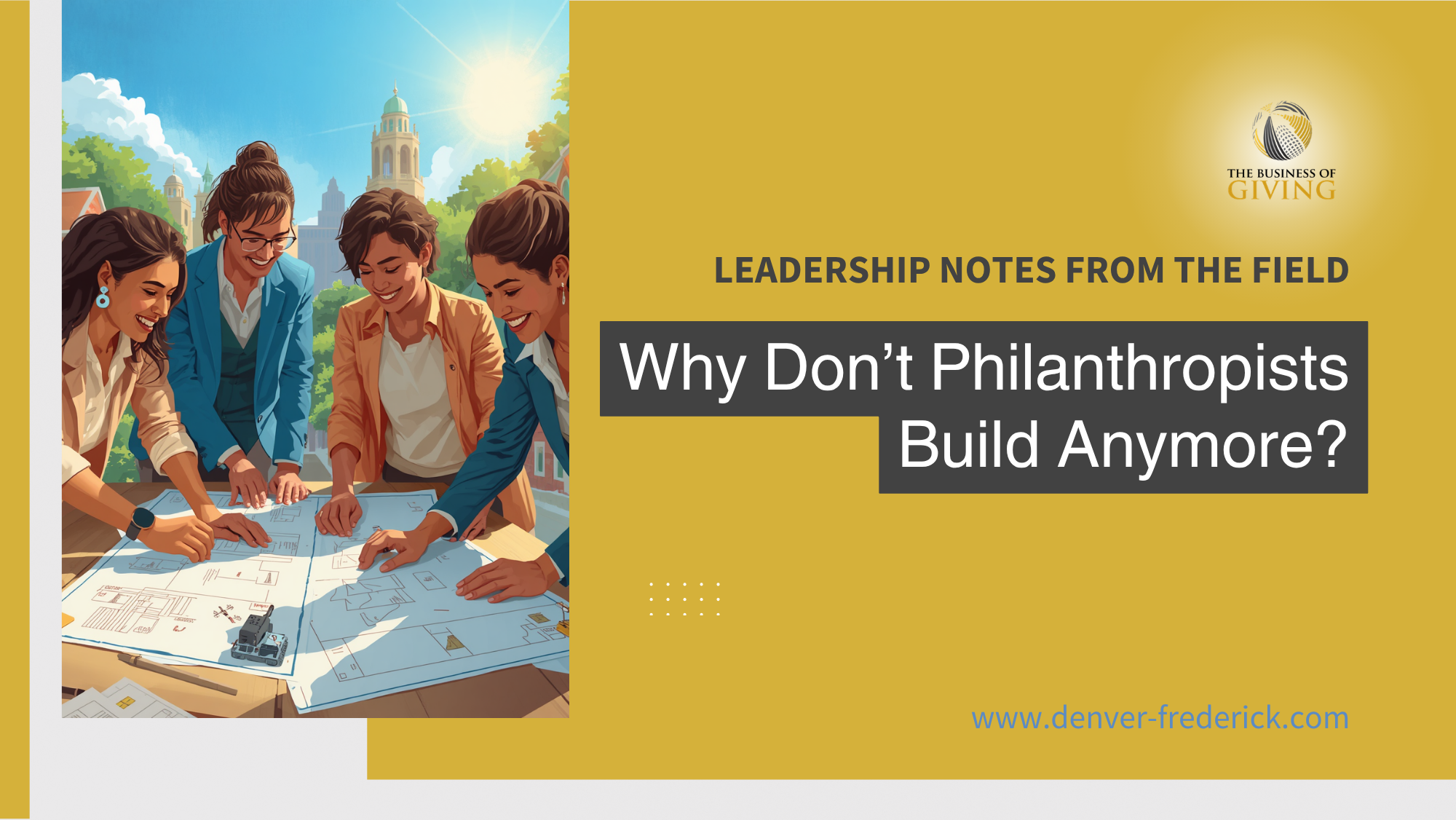
Note #55: Why Don’t Philanthropists Build Anymore?
Earlier generations of philanthropy thought institutionally. Libraries. Universities. Hospitals. Research centers. Museums. Whatever their flaws, many donors once believed part of wealth’s responsibility was helping build structures capable of serving society for generations.