
When Sarah Bouchie was in second grade in rural Minnesota, her teacher pinned photos of accomplished women on the classroom wall. Helen Keller was one of them. Decades later, when the call came to lead the organization bearing that name, Bouchie felt the tug of something that had been quietly shaping her for years. “It was one of those pinch-yourself moments,” she said.
Two years in, she says she still feels that way.
But what happened next would test whether admiration could survive collision with reality.
What a Dollar Can Do
Helen Keller International reaches over 80 million people a year across three interconnected areas: eye health, neglected tropical diseases, and nutrition. The connections are tighter than most realize. Neglected tropical diseases are a leading driver of preventable blindness. Proper nutrition preserves eyesight and reduces child mortality by as much as 25% in areas with severe vitamin A deficiency. The cost: just over a dollar a dose, twice a year.
“For just over a dollar a dose twice a year, you can save a child’s life, really,” Bouchie said.
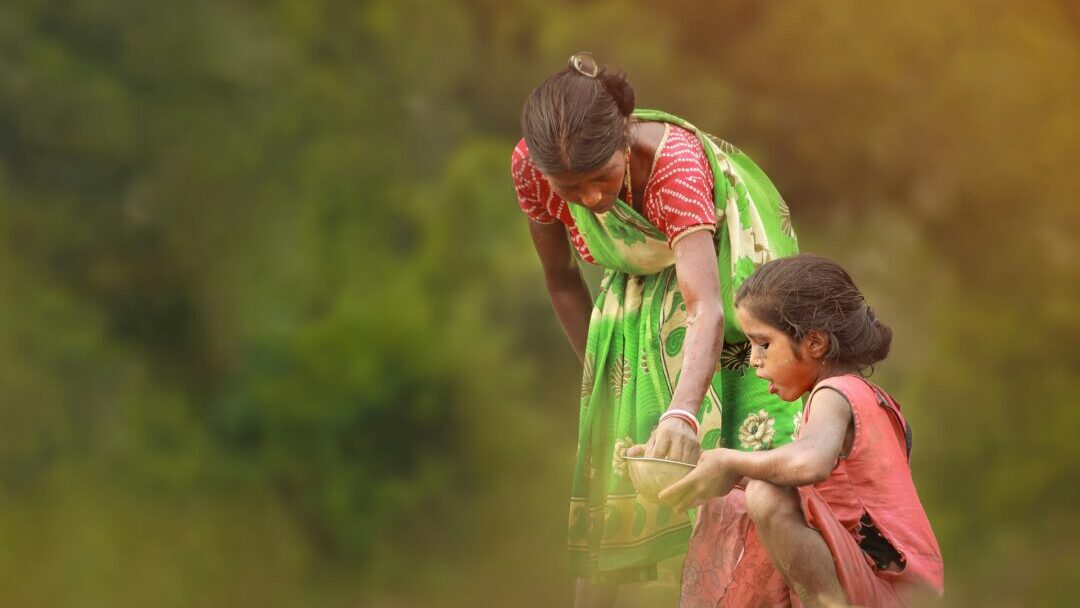
But the numbers only tell half the story. In a densely populated neighborhood in Kenya, Bouchie met a mother named Frida at a health clinic. Frida’s baby boy, Ethan, had those chubby rolls over the tops of his feet that signal a thriving infant, even in a place where nutrition is not easily accessible. That image, Bouchie said, is why the work matters. It is for the Ethans and their mothers.
The View From the Other Side of the Table
Before Helen Keller, Bouchie spent nearly three decades in international development, including roles at CARE, ChildFund, and the LEGO Foundation, where she helped triple philanthropic investments. Sitting on the funder side taught her something most nonprofit leaders never experience firsthand.
“People always say that they listen a little bit harder when you are a donor, which is true,” she said.
“I’m the same person in the room, but I got a different kind of an audience when I said something as a donor than I do as an implementer.”
That humility shapes how she leads. So does the funder’s instinct for long-term outcomes over short-term deliverables.
When One-Third of the Revenue Disappeared
When USAID funding collapsed, it did not happen all at once. First, projects were put on hold. Then reimbursements were delayed. Then programs were threatened entirely. Then came the possibility of not being paid for work already completed. Each wave sent Bouchie and her leadership team back to the table, meeting two or three times a week for scenario planning.
But Bouchie was not starting from zero. Shortly after becoming CEO, she had led a listening process across the organization. Staff told her Helen Keller needed to talk about its work more, to be more visible. That investment in narrative and positioning meant when the crisis hit, they were ready to explain the stakes, the trade-offs, and the impact.
The PRO Initiative, a vetted funding list built by former USAID staffers, connected Helen Keller with private funders. Programs continued at reduced budgets. And Helen Keller’s government-centered delivery model, working with and through national health systems rather than around them, proved to be both the organization’s signature strength and its shield.
Building Something Stronger
Six months after laying off a third of the workforce, Helen Keller won the Kristof Holiday Impact Prize. The recognition raised nearly $13 million and reached an entirely new donor audience. “It was incredible for our staff that have been laboring at these issues for decades to see this kind of recognition,” Bouchie said. The morale mattered as much as the money.
But Bouchie is not rebuilding to the old blueprint. She hired three new executives, all women from the countries where Helen Keller works, to lead the global portfolio. She refused to close a single country office during the crisis. And she is pushing toward a future where Helen Keller focuses on solutions that cross borders, like food fortification, handing off more direct implementation to national governments while driving the regulatory changes and innovations that lift the floor for everyone.
“80% of our work is saying: Get better at what we do well, and then take that 10%, 20% and try to get the new next thing up and running,” she said.
After 111 years, the values on the wall still hold: compassion, courage, integrity, and rigor. The little girl from Minnesota is making sure of it.
Every weekday morning at 7:00 a.m. Eastern, I publish a short Leadership Note from the Field. These reflections draw on fifty years in the nonprofit sector and nearly 1,000 conversations with nonprofit leaders.
They are designed to help leaders step back from the noise, see the deeper pattern, and lead with greater clarity.
A recent note explores a distinction I believe matters enormously right now.
In philanthropy, don’t confuse headlines with forces.
Headlines dominate the moment. But deeper forces such as the $124 trillion wealth transfer, the rise of women as philanthropic decision makers, and the growth of giving across the Global South will shape the next twenty-five years.
You can read the full note, along with a new one posted every weekday morning, on my blog at denver-frederick.com or on LinkedIn.